E-L ur
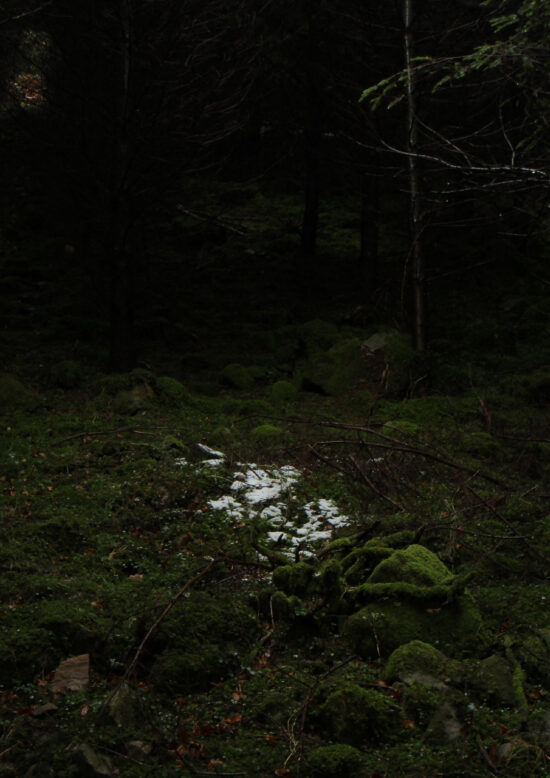
In a world that is warming faster than ever, nature’s most magical weather phenomenon is disappearing. It snows less and less, and there is more and more noise, outside and within us. When will we see that white, silent miracle fall from the sky for the last time?
Lumak Askatu
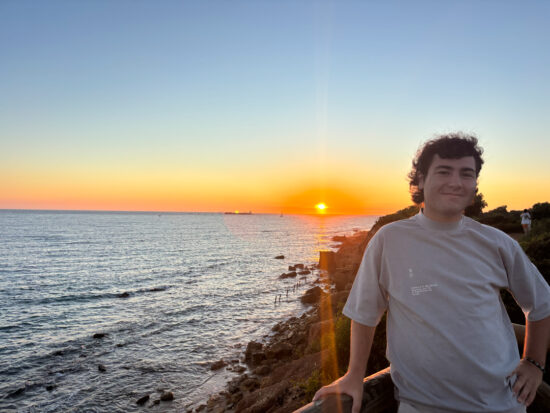
Bilbao transforms when night falls. Behind the stage lights lies a drag scene built over decades by artists, venues and community. Through the voices of different generations, Lumak Askatu takes us on a journey through the history and evolution of drag in Bilbao: from the trailblazers who opened the way to the new generation that is now finding new ways of expressing itself on stage, on social media and within the community. Bringing past and present together, the documentary asks a question: what does drag mean in Bilbao?
Nadie Mira
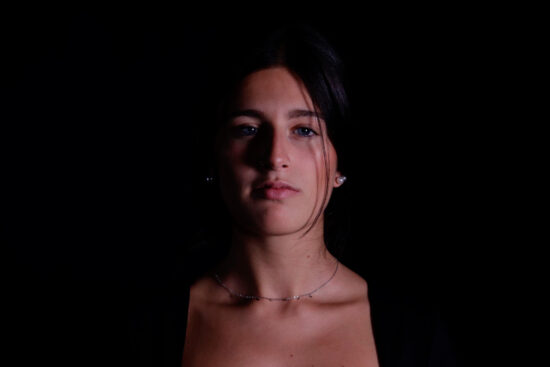
Nadie Mira is born from a desire to learn about and recover the experiences of travesti people and drag artists in the Basque Country during the Franco dictatorship. We want to know how they lived through that time, where they were able to express themselves, what their lives were like, and which stories have been left out of memory.
A group of Audiovisual Communication students begins to investigate through testimonies, documents, photographs, archives and other sources. But the search itself is also part of the documentary: the doubts, the discoveries, the difficulties and the stories we find along the way.
What we discover during the research will also be the starting point for creating a fiction short film afterwards.
Os tenemos que decir algo
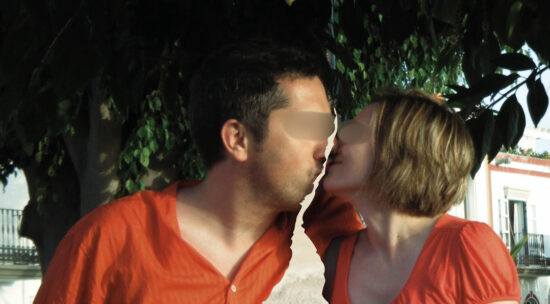
When your parents divorce, everyone seems to know what to say. That things will change. But that everything will be fine. That you will still be a family. But what happens afterwards? Seven people who lived through their parents’ divorce at different stages of their lives tell us what happened when the separation stopped being news and became their new reality. Two homes, new partners, different birthdays, questions nobody answers, and an idea of family that no longer fits the way it used to. But also other ways of loving each other, relating to one another and building a family. Through their voices, photographs and home videos, and through the recreation of some of their memories, the documentary explores this experience from the perspective of those who lived it as children.
Desheredada
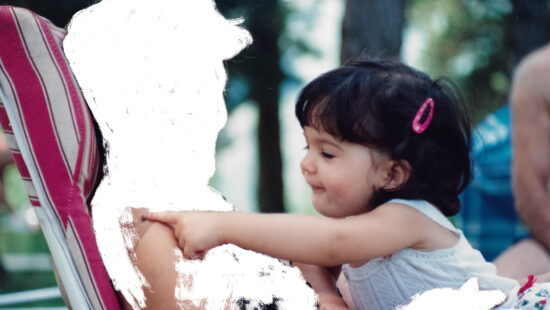
A family disinheritance with no apparent reason leads a granddaughter to feel the need to investigate her family roots in depth. This is a documentary story told in the first person, in which research in the family archive is interwoven with intergenerational wounds, a personal quest and the trauma of the Civil War, from a reparative and feminist perspective.
La Saca de las Yeguas
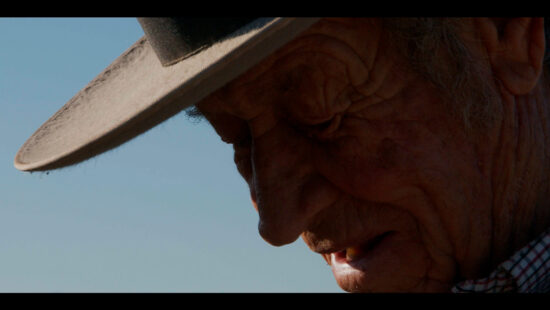
Fernando Iglesias, an 80-year-old mare herdsman (yegüerizo) known as El Richard, is facing his next Saca de las Yeguas. But this one is different from the previous ones, because the Marismeño horse was recently declared endangered. Now both species, the mares of the marshes and the figure of the yegüerizo himself, could be living their final days.
La verge dels desamparats
At night, a car travels down a road to nowhere. Inside, two children are being taken away from their mother on a journey that leads them through darkness, voids of memory and dreamlike landscapes. That car carries the film’s narrator in search of the memory of her brother Emilio, who took his own life at the age of 21 while she slept.
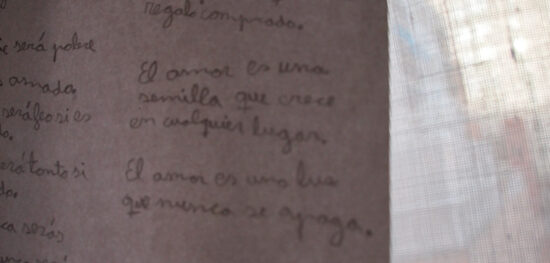
On this journey, Marta draws on traces (a dream her brother left written down, his bakala music CD, her aunt’s songs, her grandfather’s poems, family VHS videos, court rulings and her own diaries) to try to find what Emilio took with him.
It is a journey that leads us to three encounters in borderland places: Marta and Emilio meet in a liminal space, dancing together as they did when they were little; an elderly man embraces a tree in a desperate attempt to remember a face; and a virgin dances to bakala music at a rave in an effort to resurrect an image.
La verge dels desamparats, as a cinematic dream, explores an essay on memory and the forgetting of Emilio. Weary of institutional abandonment, Marta no longer seeks justice; she yearns for memories and creates them.
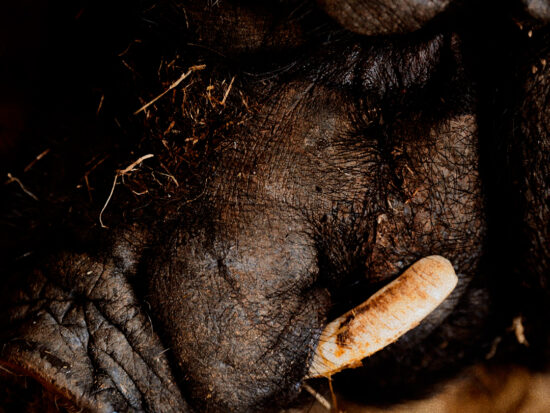
Porcoceno
A pig walks through the corridors of a courtroom, recalling the trial in which it was tried for an absurd crime: resembling humans too much. Porcoceno uses pigs and the humans who exterminate, love and consume them to explore the relationship between the two species throughout history.