Spain Shorts stems from an observation: each year numerous quality short films produced in Spain that reach ZINEBI cannot be accommodated in a necessarily limited International Competition, or which have already been shown in other festivals without having been screened at Bilbao. This section gives back the space they rightly deserve.
The production of short films in Spain is today so prolific that many amazing works get sidelined from our programming. It is a sacrifice that we accept and is also a sign of how buoyant the industry is.
Spain Shorts therefore provides an overview of what we consider to be part of the best Spanish short films of the year. The programmers and specialists who follow the ZINEBI selection will find a broad sample in our catalogue of what those films offer today, of their searches and of their diversity.
From this first edition, the short films in the section will be competing for the Caimán Cuadernos de Cine Critics – ZINEBI Award, worth €2,000 and granted by a jury of five critics. Working with a leading film review magazine bolsters the section and opens up an avenue for recognition that we will strive to consolidate edition after edition.
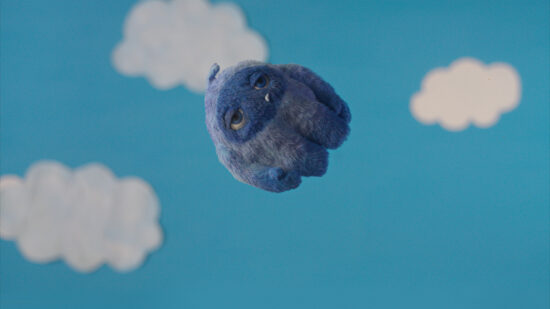
In an idyllic, childlike world, the Bobs enjoy a peaceful life until the scanners appear—portals that open the path to adulthood.
While crossing them poses no challenge for the others, Bob is rejected time and again. Determined to do whatever it takes not to be left behind, he searches for a way to pass through the scanner, only to discover that the adult world he longed for is nothing like he had imagined.
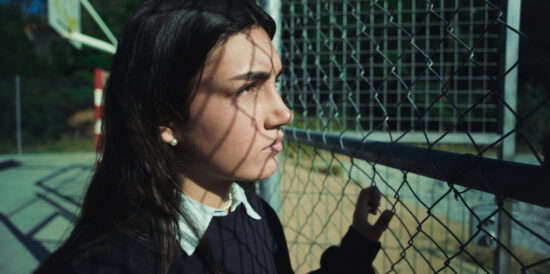
During her first year at a conservative, elitist college residence, Marta is driven into a desperate search for the morning-after pill by the sexual taboos around her. As community pressure builds, her peers prepare an initiation ritual no one will forget.
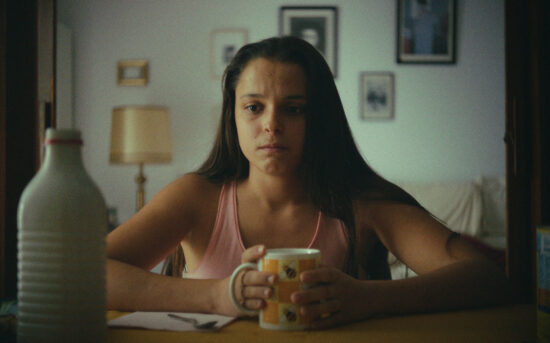
Alicia (15) and Velia (8) wander between the complex world of adults and the remaining innocence of childhood. It’s Velia’s presence that protects Alicia from succumbing to the sadness that seems to surround her.
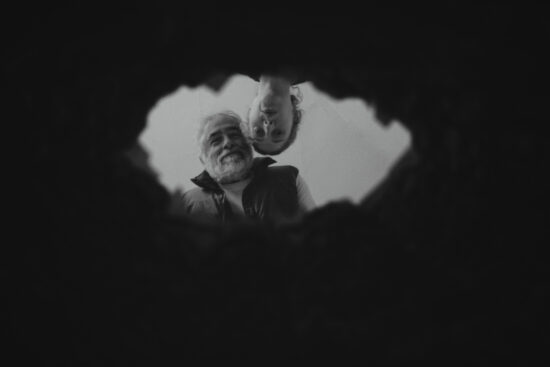
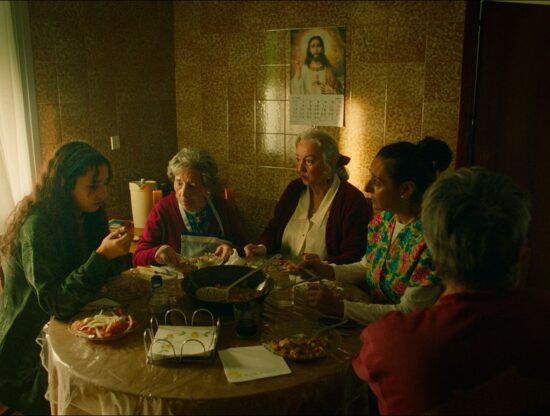
The story follows a family in decline in their home, where a hole has formed in the floor right in the center. They are going through an economic crisis that exposes their secrets: the father's betrayal, the mother's resentment, the daughter's silence, and the son's indifference. The hole grows, revealing that it is nothing more than the physical form of the void within the family.
In the early 2000s, in La Mancha, teenage would-be punk MAPI feels out of place in her conservative, tradition-bound surroundings. Her longing to grow up leads her to a clandestine Halloween party in an abandoned village, clashing with her family’s ritual of visiting the cemetery on All Saints’ Day. Caught between the profane and the ancestral, that night marks the beginning of a coming-of-age journey toward the construction of her own identity.
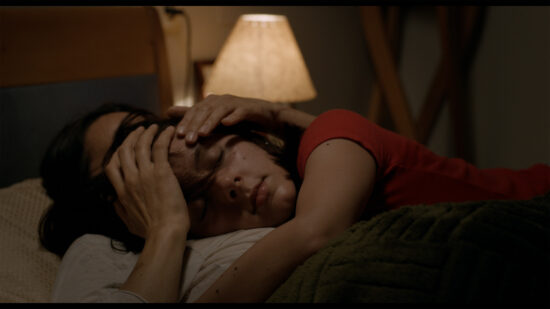
When Lourdes’s mother dies, a deafening silence settles over her home. The family avoids mourning, and her friends keep her company through leisure, parties, and alcohol. Lourdes tries to fill the void with external validation of her body—a body she mistreats because no one ever taught her how to nourish it.
Crónica del cansancio traces the history of access to housing, population control and the debt burden of the working class, taking us on a journey down through different generations to our present.
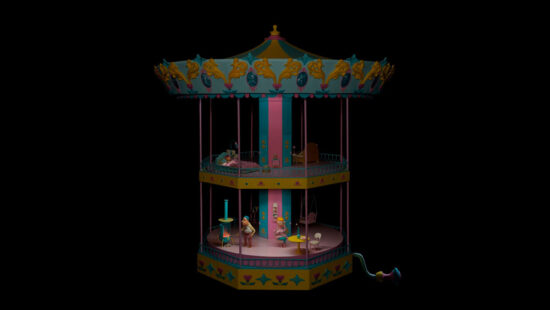
A woman talks to us from inside a machine that records her brain activity. She describes a mental labyrinth combining an old amusement park called Dreamland, 19th-century dream photographs, contemporary experiments in mental decoding using AI, and Prophetic, a start-up whose goal is to control dreams. But what do our dreams see when they look back at us?
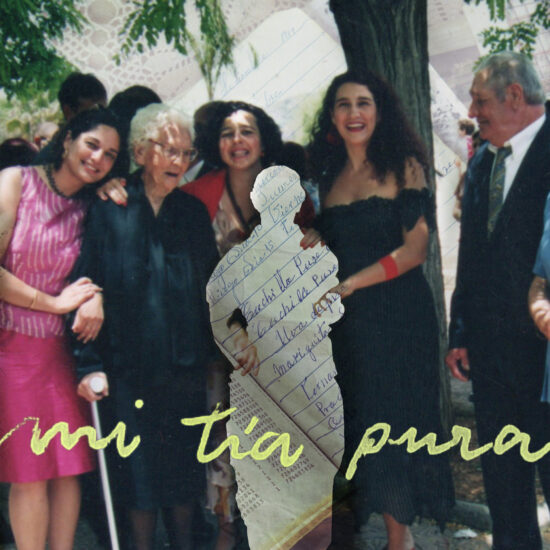
Pura vivió oculta durante toda su vida, y lo permaneció durante décadas tras su muerte. Entre un amplio archivo familiar, su ausencia se convierte en el reflejo de una sociedad que mantiene la vergüenza como limitador de nuestra propia vida.
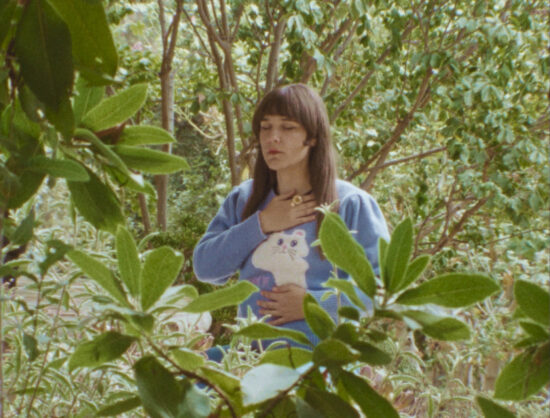
OAO is a cinematic opera in which mezzo-soprano Anna Wallace explores intergenerational trauma, casting a spell to be reborn through the filmic medium.
A married couple and their daughter struggle with the child’s behavioral issues. The birth of a baby in the household disrupts an already fragile balance, pushing their shared life into disconcerting and darker directions.
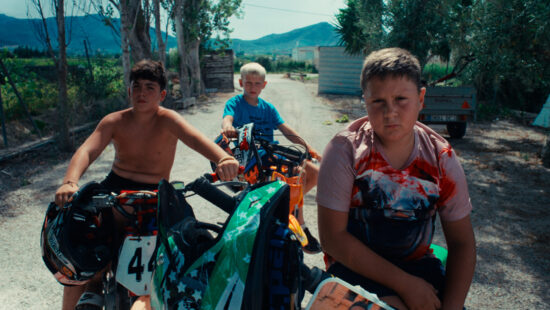
Leo, Unai and Josepet are three boys growing up in La Ribera, in the heart of the Ebro Delta (Catalonia). During one of their last summers before adolescence, we witness their friendship and the small adventures that fill their days. Among rice fields, mud and swims, a sincere portrait emerges of a radically free childhood and of a rural world slowly fading away.