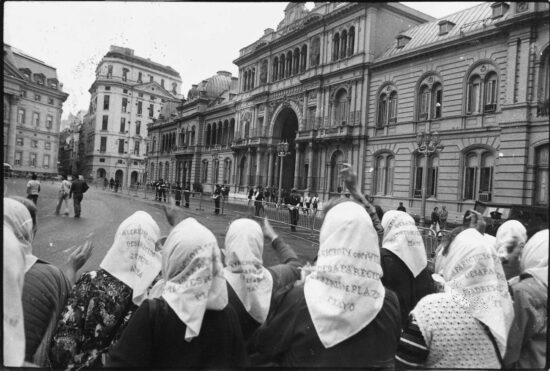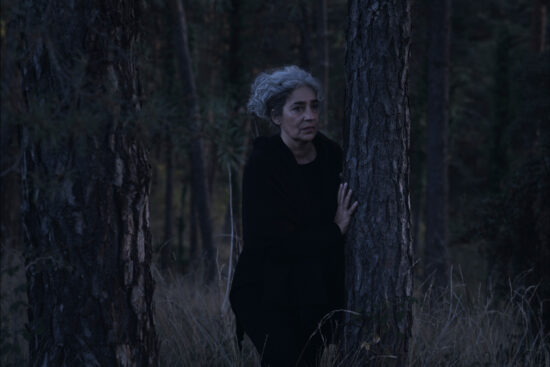
María and Raquel wanted to be actresses. Raquel succeeded, but María stayed in the neighbourhood. In 1976, during the darkest days of the dictatorship, the military abducted María’s eldest son, whilst Raquel was forced to emigrate to Germany. María’s grief and fear were transformed into strength and resistance against the oppressive regime, and she became one of the first Mothers of the Plaza de Mayo.
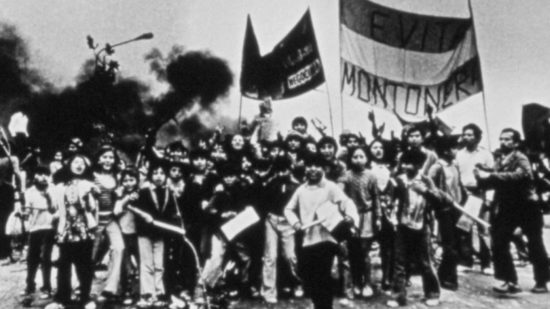
Based on a letter from activist Lili Massaferro to an American friend, narrated in voice-over, and using archival material from various Argentine media outlets, the film recounts Lili’s personal story and her political commitment, intertwined with Argentina’s own history: Peronism and the figure of Evita, the death of her son Manolo, and the Peronist feminist movement of the 1970s.
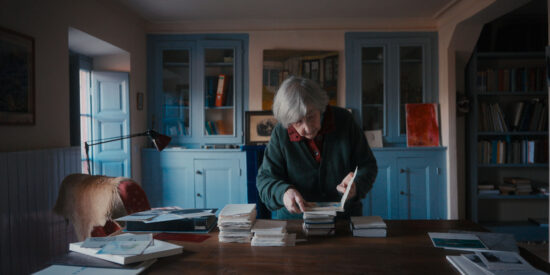
Considered as the best engraver of our time, Mari Puri immerses us in a world between reality and fantasy in this documentary. Drawing on the accounts of artists and personalities from the art world who have closely followed her work, the documentary traces the evolution of a fundamental artist of Basque culture. She is an artist renowned for her engraving, drawing and painting; the hallmarks of her work are her total mastery of colour, abstraction bordering on the figurative, and the figure as an essential element.
Light pollution increases alongside the advance of capitalism. The world is lit up in the name of security and development. However, darkness is a safe haven for those forced to flee their homes. This is a job [lan], in the night [gau], gaulana: a film about the people who, throughout the history, have sought shelter in the darkness. They were the prisoners who escaped from Ezkaba, who tried to use the stars to navigate their way to France; also, the Portuguese in the middle of the last century; today, the migrants who try to cross the Bidasoa.
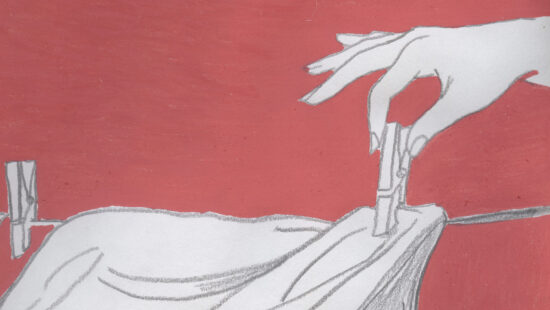
Clothes and sheets hanging out are one of those everyday scenes we are used to. But what is the function of those white shirts and sheets exposed to the air? What does Sophia Loren think as she lays out the mended rags in Una Giornata particolare? Are these scenes strong enough to become icons of the secret grammar of celluloid?