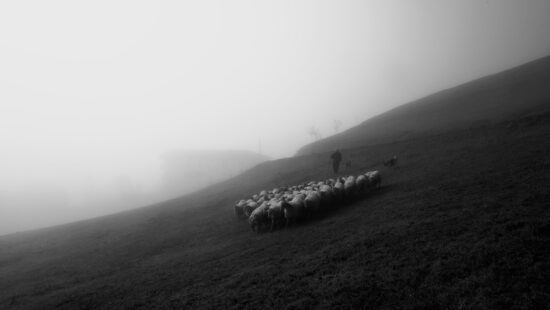
In 1955, fascinated by the ancient tradition of hunting pigeons with paddles and nets, Orson Welles directed the documentary The Land of Basques.
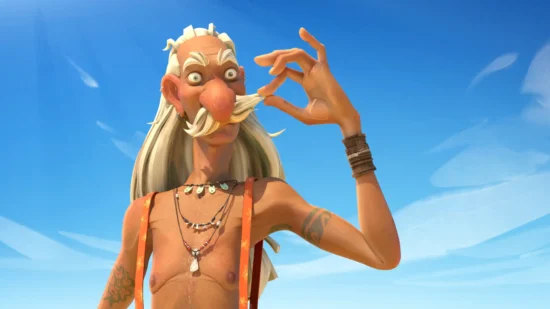
In the middle of nowhere, Rufi, an elderly woman who lives with a taxidermied dog and spends her days gambling online, has made indifference to the outside world her way of life. But her routine is disrupted by Bob, a hippie neighbour who has turned his motorhome into a private jungle. Amidst invasive plants, strange incense and fruit thrown with dubious intent, Rufi’s insular world begins to transform in a way that is as fascinating as it is unsettling.
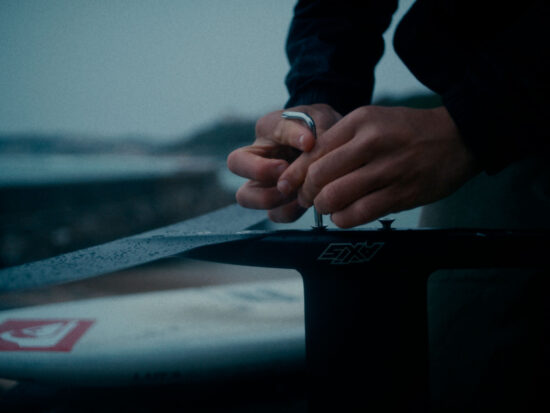
On the coast of the French Basque Country, Euskara is not always passed down from one generation to the next. Where words fade away, Basque identity finds other ways to endure: in gestures, in the relationship with the sea, in moments shared around the table. It’s a fragile but tenacious transmission. One lived without words.
Between 1934 and 1945, as Spain went through Republic, Civil War, and Franco’s dictatorship, hundreds of women walked the distance from Pamplona to Fort San Cristóbal (at the top of Mount Ezkaba, in the Spanish region of Navarra), bringing food, clean clothes, comfort and hope to the political prisoners incarcerated there. We retrace the path to the fort: as we look at what they once saw, their voices linger in the air. The place becomes a meeting point. Are we stepping on the same earth they walked? Who were they?
A black swan is a highly improbable event. This is a film about the films I dreamed about, but couldn't make.
In the small, sleepy Mediterranean town of Umag, the unusual appearance of a bear in the midst of wild asparagus season sparks a conflict, dividing the community into skeptics and those who believe the bear truly exists. Following a small local event that spirals wildly out of proportion, the film explores the blurry lines between truth and lies in the age of social media.
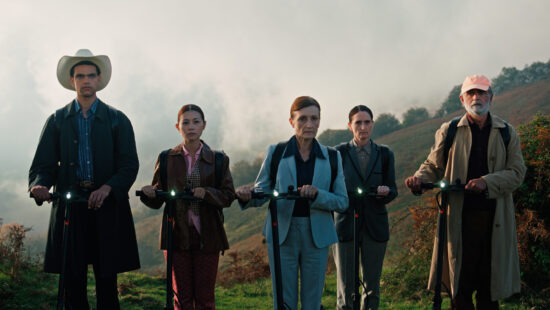
In the future, emotions and gestures have disappeared. But we are in the present: five researchers arrive on electric scooters in a village in the Basque Country, searching for what their time has forgotten. Through interviews and observation, they enter the intimacy of its inhabitants, until the boundaries between the different times begin to blur.
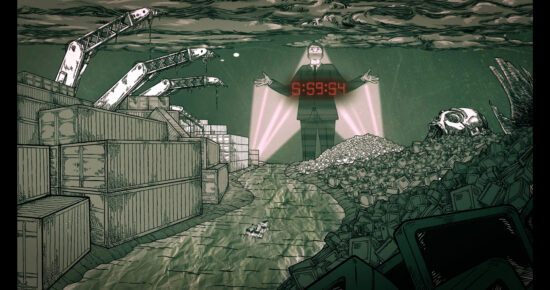
The deceased Venezuelan awaits, uncertain of what comes next. According to the machines, the voyage to paradise starts soon. But in digital purgatory, bureaucracy and control continue.
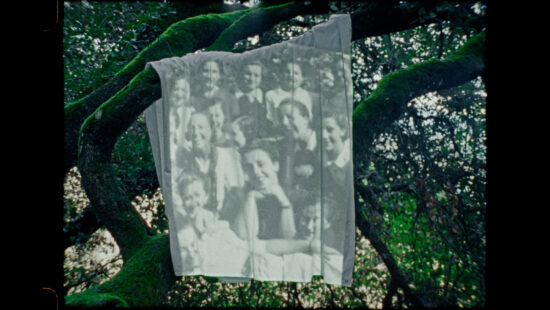
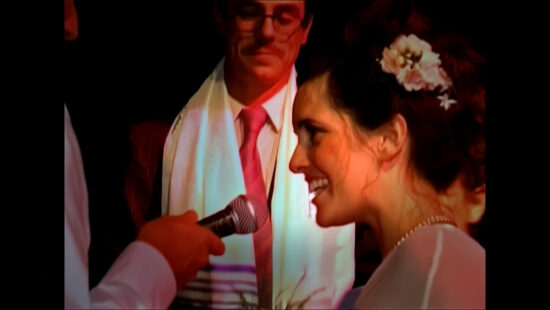
The footage from the director's wedding triggers a dark family history. Between reality and fiction, the story unfolds with the voiceover narration of her aunt, guardian of a secret whose revelation could destroy her.
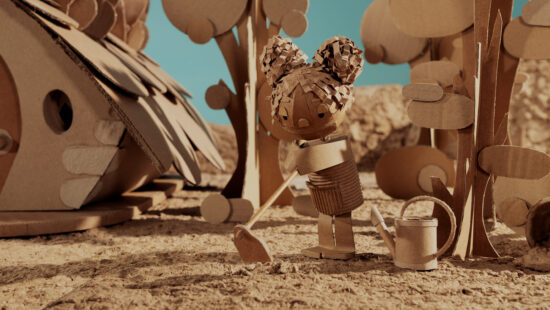
Two friends who share a house with two apartments and a well in their garden begin to trade with it. One bottles it, and the other waters a vegetable garden whose produce she sells. They build a machine around the well to exploit it increasingly better. The machine works faster and faster.
In search of deliverance in a post-apocalyptic Philippines, a distraught mother takes her reluctant daughter on a secret pilgrimage to partake in their god-king's divine ascension.
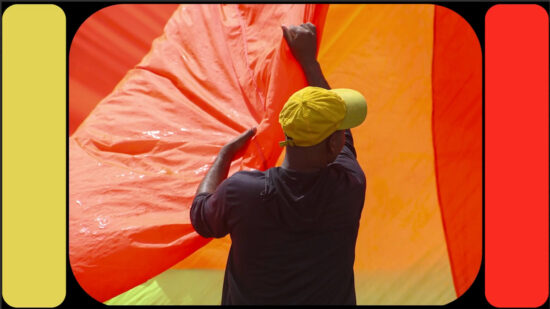
Drawing from the world of rafts and canoes in Northeast Brazil, the film finds in conversations about color, landscape, and abstraction a gateway to the emotional imagination of local sailors. Between performance, documentary, and images of the São Francisco River regatta, its images weave together a narrative that blends the everyday with fiction.