The whole selection process entails managing dilemmas, dualities, and challenges. On the one hand, what is left out is sometimes as necessary – for different reasons – as what is finally left in. On the other hand, as members of this team, we carry out our work with the privilege of accessing a huge number of works from hundreds of countries and of diverse film types, genres, and styles. And, even more importantly, we are dedicated to providing a representative showcase of all that to the ZINEBI audience, while always taking into consideration their diversity and their provenance (citizens, industry, press, professionals). Over those eight days, the city of Bilbao will be the scenario of a space parallel to standard film scheduling. A documentary and short film festival – in the current context of filmmaking and consumption – serves as a type of oasis for those people wandering exhausted through the audiovisual desert. Anyone who ventures into that temporary realm will most likely do so free of bias and expectations, with critical references that help (or confuse) when deciding for which session to pay a ticket. Be that as it may, they will attend screenings – featuring the 50 short films of the international official section – where we hope they appreciate that political, aesthetical and cultural earthquake that we have distilled from the more than 3300 entries.
Perhaps the tribulations and insecurities of the present refrain us from taking too many risks and experiments as the audience. Nonetheless, the selection committee is convinced that surprises, mystery, contradictions, subversion and, in short, the stories that reveal something we did not know, or which show us that something from another perspective, will provide a series of rewards that are hard to find at any other time of the year, on any other platform, on any other screen.
Alaitz Arenzana Letamendi, Rubén Corral Giménez, Cristina Ezquerra Campos, Ramón Ganuza Álvarez, Víctor Iturregui García de Motiloa, Laura Lazcano Marina, Marcos Urquijo Yáñez
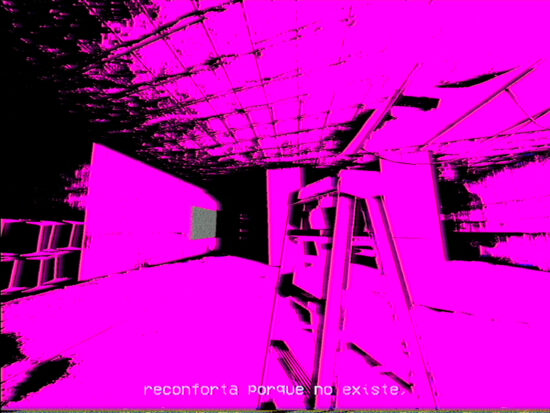
Alice narrates her reflections on art as we immerse ourselves in a liminal journey.
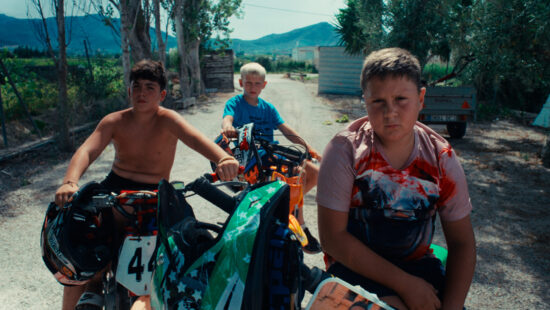
Leo, Unai and Josepet are three boys growing up in La Ribera, in the heart of the Ebro Delta (Catalonia). During one of their last summers before adolescence, we witness their friendship and the small adventures that fill their days. Among rice fields, mud and swims, a sincere portrait emerges of a radically free childhood and of a rural world slowly fading away.
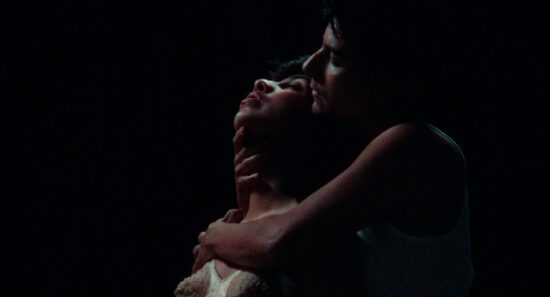
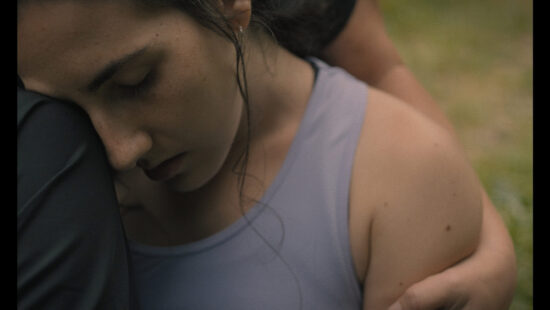
1957. As a farewell to her lover Teresa, la Zurda and her friends organise one of their usual weekend camping trips deep in the forest. Stolen time for rest, play and illicit pleasures, far from the repressive gaze of Franco’s dictatorship.
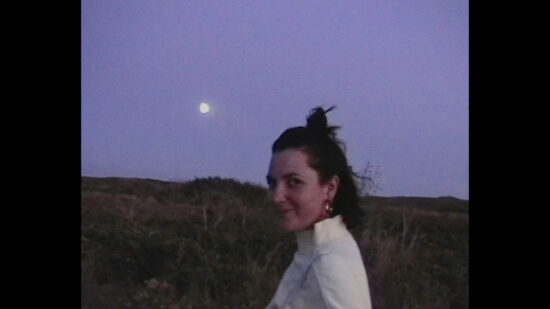
The tide sweeps Bárbara to a cove in the Serra de Tramuntana, where she awakens with a new mission: to reach the Valley of the Moon and help Juan Garaizabal forge a steel sculpture born of the landscape and the flesh.
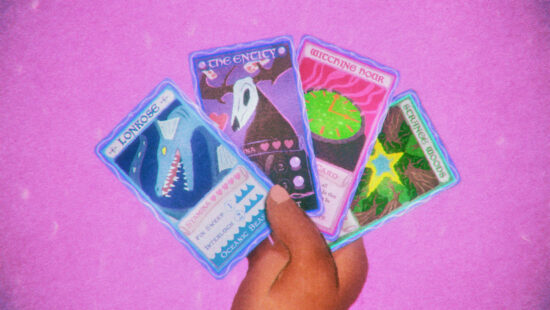
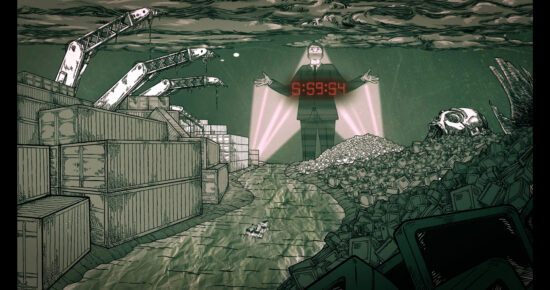
An enigmatic man journeys back in time to find his younger self, seemingly to revisit the nostalgia of trading cards. An exploration of identity, mental health and the erosion of childhood innocence, Trading Cards is a dark fantasy animated film about the weight of living with Obsessive-Compulsive Disorder.
A married couple and their daughter struggle with the child’s behavioral issues. The birth of a baby in the household disrupts an already fragile balance, pushing their shared life into disconcerting and darker directions.
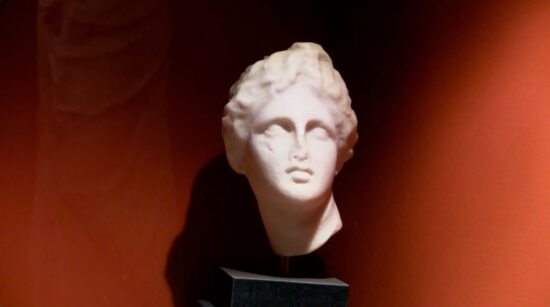
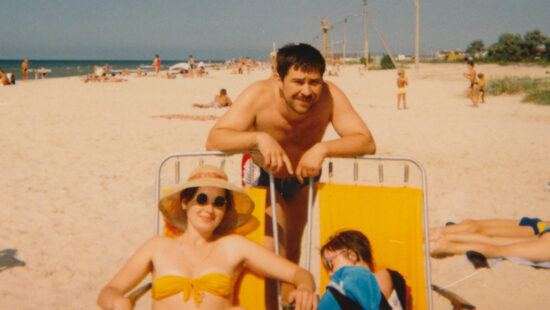
The director’s midlife crisis catches up with her in the summer, on the beach of Empúries, in the Catalan coast, just a few meters from the Greco-Roman archaeological site. Observing the excavated and yet-to-be-excavated terrain leads her to discover that time can be a very relative thing.
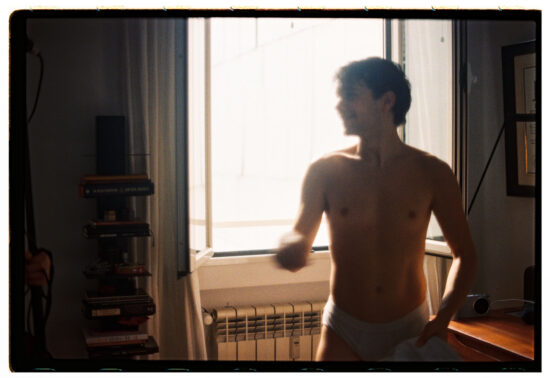
A teenage girl studies half‑heartedly when a melody drifts in, drawing her to the window. Across the courtyard, a young man just out of the shower dries himself slowly to the rhythm of the music. Their eyes meet in the courtyard of lights.
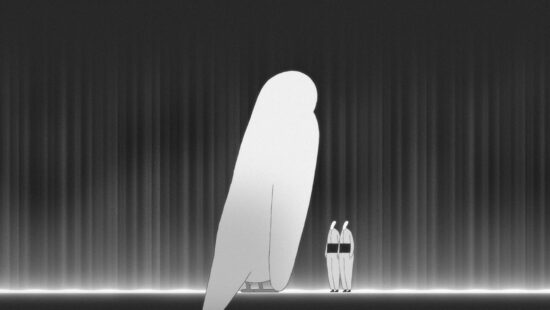
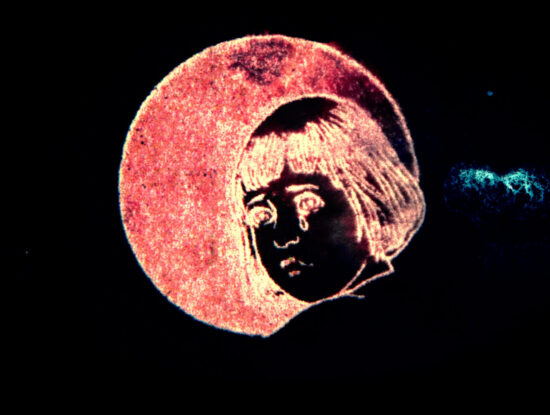
"If it keeps starting over, it must be forever", says the white moth. But a gentle whisper breathes in each dawn, "one day, all days will be gone".
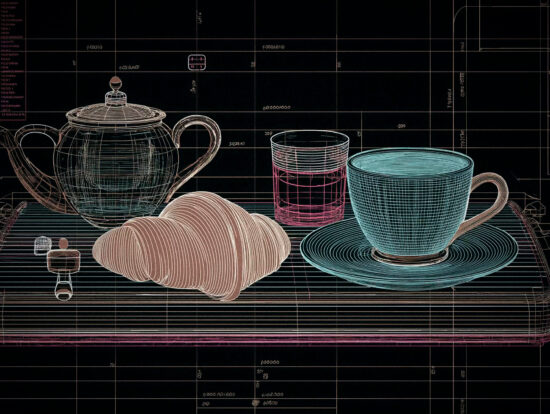
Ploo blends attributes of vector graphics and screen display technology with the human condition.
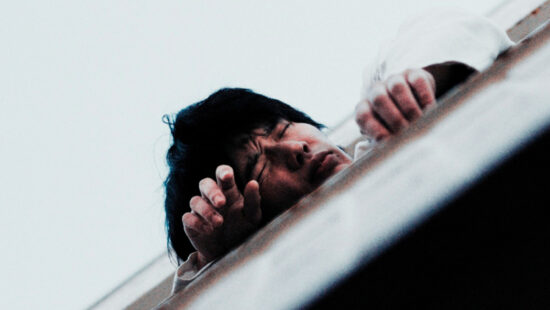
In the week following his roommate’s accidental death, Tae-woo begins to wake up each day in a different place within their shared apartment.
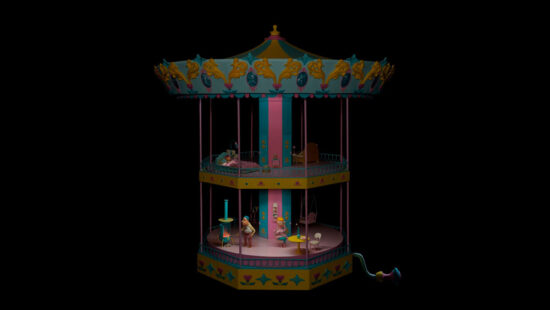
A faded resort of plaster rococo, turquoise pools, gilt and chintz.
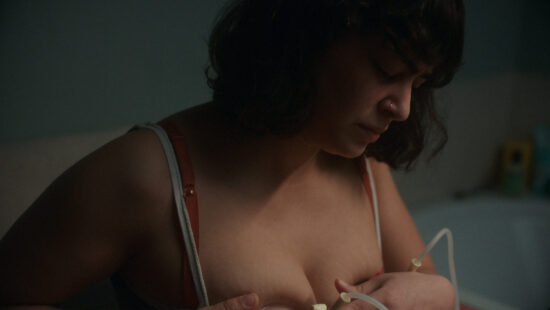
During her parents' visit, a new Palestinian mother living in Amsterdam struggles to connect with her newborn. As family dynamics unfold, postpartum challenges and family expectations grow.
Blending CGI collages, photogrammetry, and real footage, Display Nature explores how urban and digital spaces mirror our idea of nature and ourselves. A reflection on perception, absurdities of commodification, and disconnect within artificial modern life. “Shape nature, to shape yourself.“
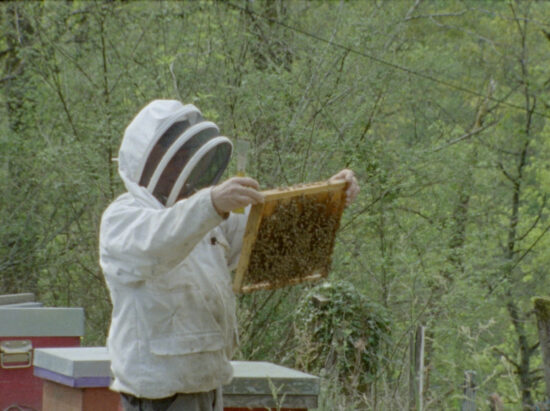
Through a series of encounters between a researcher, a beekeeper, and a group of children, the film explores the intertwined relationships between bees, beeswax, and mourning in the Basque Country.
Between quest and cathartic ritual, Mia builds objects and spaces filled with memories. It is also, and above all, the recreation of an architecture of violence through the eyes of a little girl who was sexually abused in her childhood home by her father.
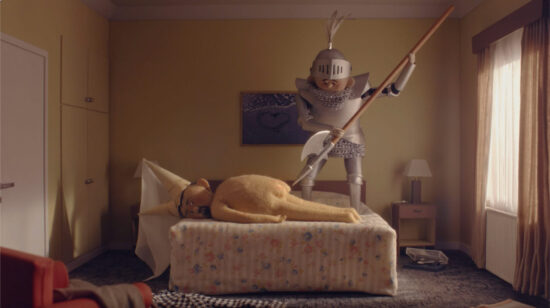
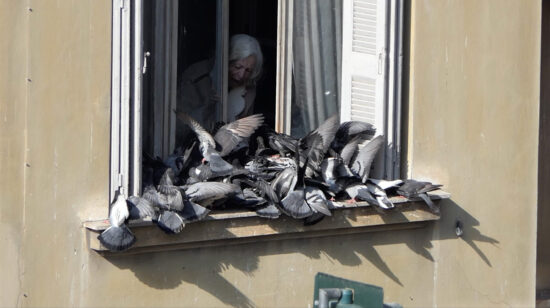
A budgie finds itself in a luxurious wellness hotel that promises stressed birds peace and relaxation. But between the lulling sound of the fountains and soothing massages, it longs only to return to the safety of its cage.
Joseph is looking for Mara. Mara is trying to find herself. He meets up with her at a party. People are talking about a while whale that has been washed up on the beach. Mara wants to see it, and Joseph wants to follow Mara – never mind the gathering storm.
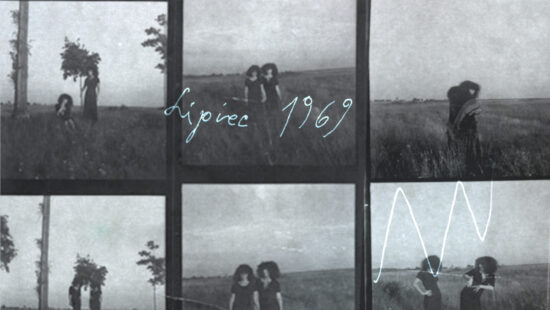
An animated documentary exploring the lifelong bond between identical twin artists Alicja and Bożena Wahl, where sisterhood, love and art become inseparable. The film is based on Alicja Wahl’s diaries - an intimate, unending dialogue with Bożena - as well as the artistic work of both sisters.
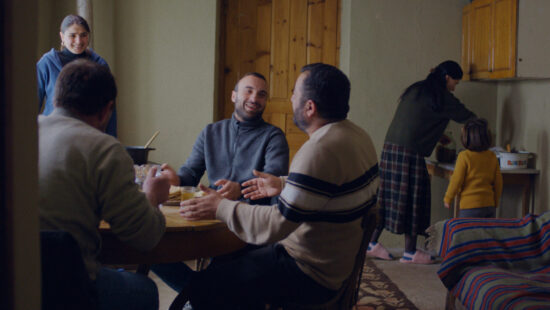
Life follows its routines in a small Georgian village during the festive days of New Year and Christmas. Nata and Dato's family appears harmonious by local standards, but beneath the surface lies turmoil. After enduring yet another violent incident at the hands of her husband, Nata decides to leave. only to face unexpected opposition from village women who pressure her to maintain the facade of normality. This intimate portrait reveals her quiet struggle for dignity against deeply ingrained societal expectations.
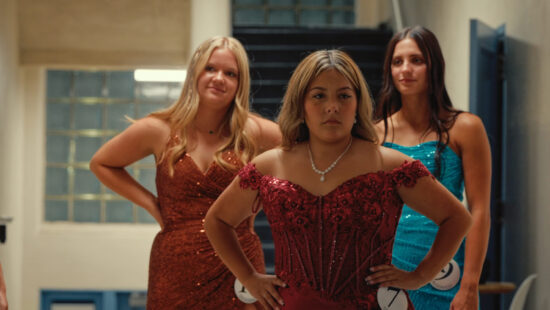
Every five years, the community of Taft, California crowns its Maids of Petroleum. The film follows teenage contestants as they rehearse and perform, from a Friday-night football game to the final parade. With oil rigs pumping at the edges of the celebration, they carry forward a civic mythology built around the resource beneath them. Filmed entirely in the present, the film asks: what does it mean to wear the inheritance of a place defined by extraction?
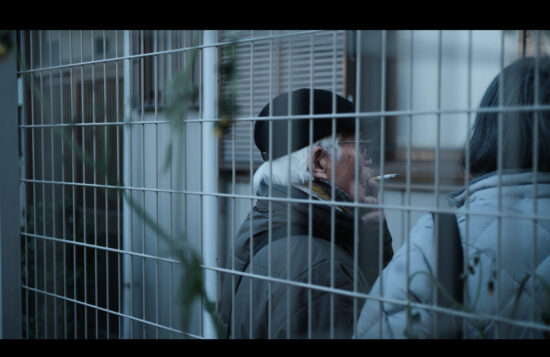
Now 87, the Japanese filmmaker Masao Adachi does not have a passport, as a consequence of his 1970s involvement with the revolutionary Japanese Red Army. In a last-ditch attempt to apply for one, he obtains his photos from a small neighborhood shop, maintained for decades by an elderly widow at the mercy of her ancient, fiddly printer.
People, objects, and places have changed the way they relate—or at least, that’s how Oihana perceives it. Now the emptiness takes up space. A path, a window, a bed, a wardrobe, a mirror. With these, and what fits into a hiking backpack, she has all she needs to reset her coordinates and rest.
Please is a dark comedy about humankind’s desire to love and to be loved. An animated short centred around neediness, intimacy and romance. (In a world that preaches self-control, the film explores the sides we try to hide, such as feeling needy and pathetic.)
In the small, sleepy Mediterranean town of Umag, the unusual appearance of a bear in the midst of wild asparagus season sparks a conflict, dividing the community into skeptics and those who believe the bear truly exists. Following a small local event that spirals wildly out of proportion, the film explores the blurry lines between truth and lies in the age of social media.
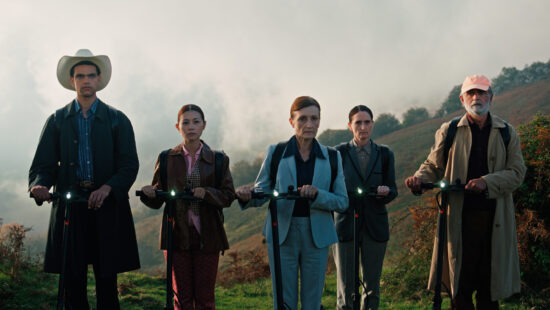
In the future, emotions and gestures have disappeared. But we are in the present: five researchers arrive on electric scooters in a village in the Basque Country, searching for what their time has forgotten. Through interviews and observation, they enter the intimacy of its inhabitants, until the boundaries between the different times begin to blur.
The deceased Venezuelan awaits, uncertain of what comes next. According to the machines, the voyage to paradise starts soon. But in digital purgatory, bureaucracy and control continue.
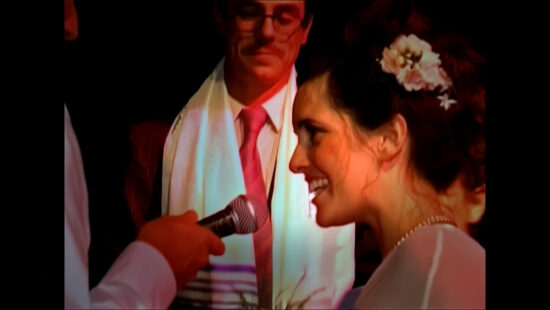
The footage from the director's wedding triggers a dark family history. Between reality and fiction, the story unfolds with the voiceover narration of her aunt, guardian of a secret whose revelation could destroy her.
Two friends who share a house with two apartments and a well in their garden begin to trade with it. One bottles it, and the other waters a vegetable garden whose produce she sells. They build a machine around the well to exploit it increasingly better. The machine works faster and faster.
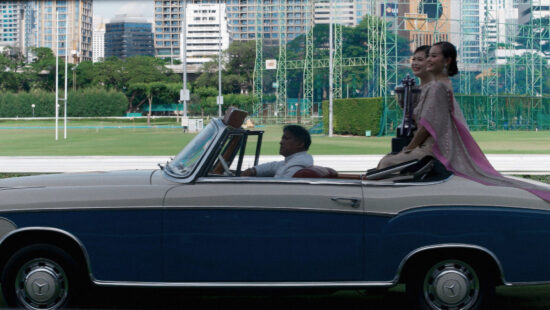
In search of deliverance in a post-apocalyptic Philippines, a distraught mother takes her reluctant daughter on a secret pilgrimage to partake in their god-king's divine ascension.
Drawing from the world of rafts and canoes in Northeast Brazil, the film finds in conversations about color, landscape, and abstraction a gateway to the emotional imagination of local sailors. Between performance, documentary, and images of the São Francisco River regatta, its images weave together a narrative that blends the everyday with fiction.
Blending personal archive and dreams from the past, the filmmaker confronts their younger self's compromised imagination, inviting the ghost of their youth to reconsider what lies ahead.
A mother confronts her child’s first encounter with death by retreating into the impossible logic of old cartoons.
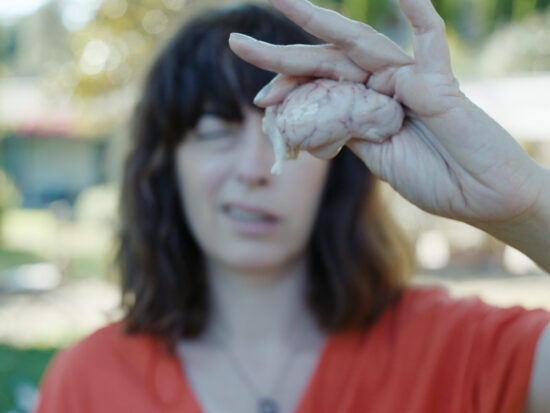
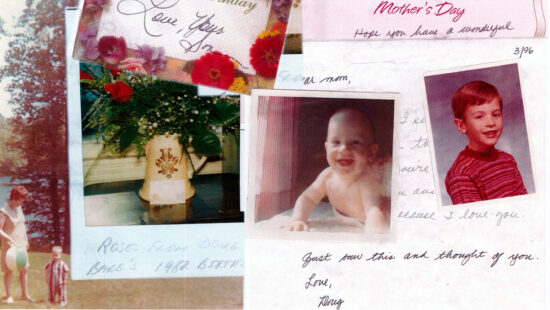
My uncle Doug died in 1997 from AIDS. His death led directly to my birth. In that way, I sort of owe everything to him. This is the story of the uncle who I have never met but whose ripples of legacy live on in every breath I take.
Electric Birds exposes the anthropocentric filters through which we perceive our environment. The film contrasts nature and civilization, capturing landscapes in transition, where forests become timber and power lines cut through the sky. Shifting between the perspectives of bird, camera, and human, the film pulls the viewer into a parallel world of archaic existence. Through a condensation of the senses, familiar visual orders dissolve, moving closer to the birds' frequency.
Hegemonic shouting booms from an old radio. Propaganda plays the march of war and the people applaud. Regardless, an old woman does what she has always done in autumn: she heats the stove, prepares herbs and spices, boils water, and sets out preserving jars. With her powerful lungs, she blows discipline and order out of sync. Without further ado, the old woman preserves the source of evil between tarragon and dill. Winter can come.
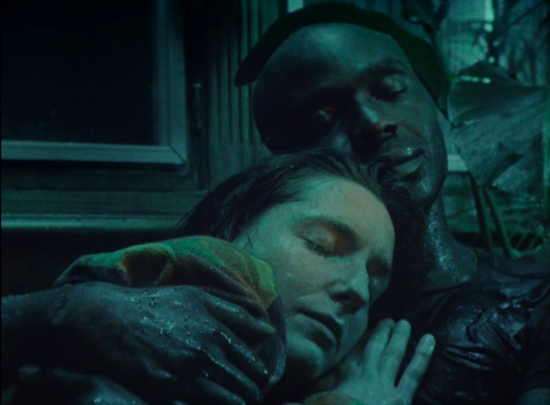
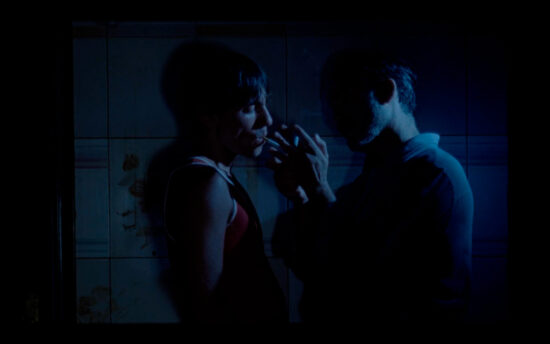
Bilbao, August 1983. Torrential rain causes the estuary to burst its banks and plunges the city into chaos, but the High club keeps its doors open. Although power failures and instability outside intermittently disrupt its activities, some men continue to meet, sustained by this temporary refuge and haven of desire. Little by little, the boundary between inside and outside becomes blurred: water begins to seep in, puddles form and the constant sound of rain invades the club, revealing a reality that can no longer be kept at bay.
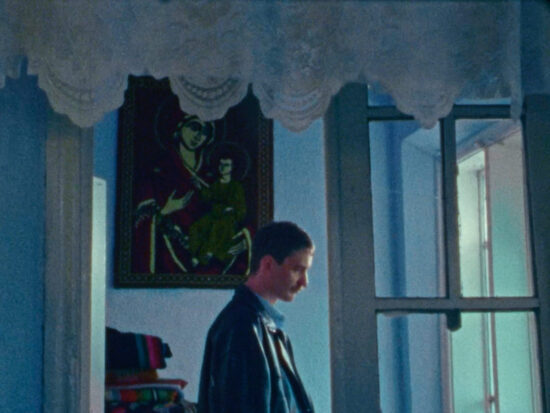
A foreigner comes to a Moldovan village looking for a meteorite that fell nearby, as life there flows at its own pace.
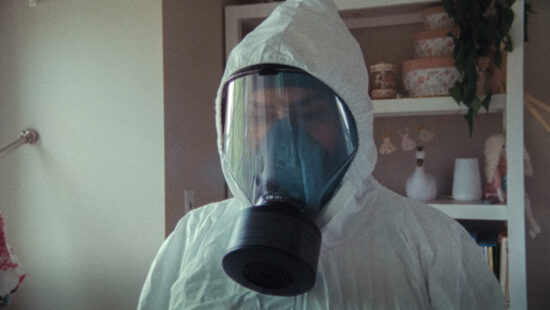
After the Los Angeles wildfires, thousands of homes remain standing, yet contaminated with toxic ash. Many insurers tell residents their homes are habitable, leaving them with an impossible choice: Should they risk their health to return home? Shot from the inside of toxic homes on 16mm film, Still Standing considers what it means to survive one disaster only to face another.
One day, Gustav hears a rumor that he will be replaced by another butler; the anxiety and uncertainty grow so strong within him that one night he decides to escape.
During Francoism, when Euskera, the language of the Basque Country, is banned and persecuted, some schoolteachers teach it in secret. In that atmosphere of secrecy, woven from games and shadows, a group of children is surprised by an extraterrestrial visit. Bewildered, they discover something even more unsettling: the unknown visitors speak their very same language.
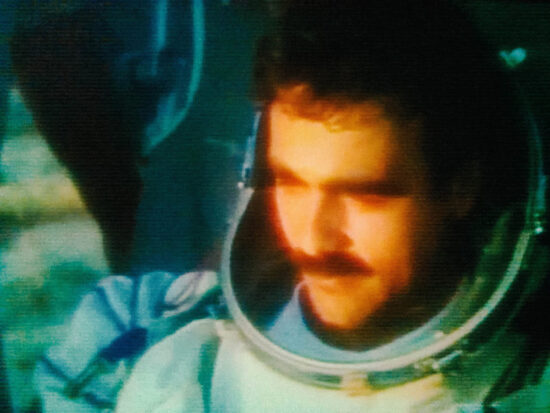
In 1988, Afghanistan sent its first and only astronaut, Abdul Ahad Momand, into space. From orbit, he called his mother, making Pashto the fourth language ever spoken beyond Earth. Momand’s story became a fleeting moment of hope as the country beneath him collapsed and millions of Afghans were pushed into exile.
Following crackdowns on protests in Iran, civilians begin documenting the unrest from behind windows. When a woman is shot while recording, a film student writes her a letter raising the question: Can revolution emerge from behind windows?
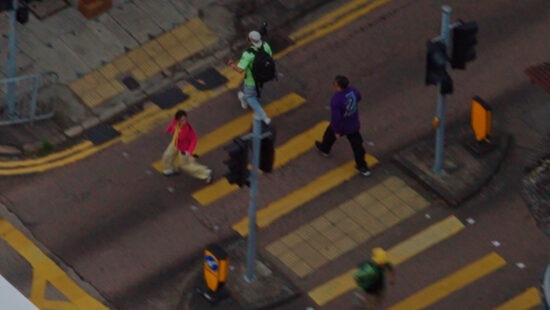
A cultural tour traces the Kowloon Walled City, until the camera leaves the tour behind and turns its gaze toward the people watching—and being watched.
Lidia and Asier, a couple, arrive in the village of Siurana, surrounded by cliffs, to visit a friend. There is tension between them. Lidia becomes increasingly fascinated by what she feels as she wanders through its streets. A local legend tells the story of an Arab woman’s escape. Asier tries to reach out to Lidia, but she remains distant. When they reach the village church, Lidia stays outside. That will be the last time Asier sees Lidia.
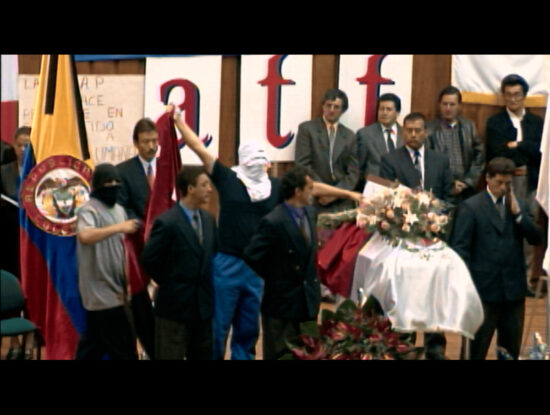
A body covered with a bloodstained sheet lies on a ping-pong table, set on what appears to be a stage. Based on this image found in the Colombian news archive, this documentary piece shows how death, paradoxical and ineffable, has inhabited a place not intended for it: the León de Greiff Auditorium at the National University of Colombia.
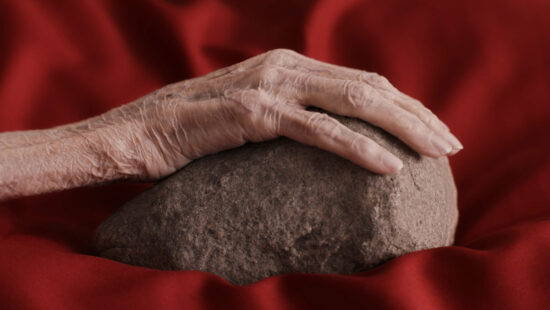
The film follows an encounter between the ghost of a possessed girl, trapped for centuries within a stone, and the director’s 102-year-old grandmother, confined to her living room and waiting for death. The ghost, tied to a Polish folktale about the mysterious Kontrewers stone, becomes drawn to the pious older woman, mistaking her for its long-lost mother.
On the train trip home to Kyiv, a filmmaker Mariia Volodymyrivna Ponomarova searches for her lost patronymic — a middle name connected to her father. Questioning the leftovers of patriarchy and the postcolonial legal inertia with witty irony, Mariia explores the fragility of tender family bonds.
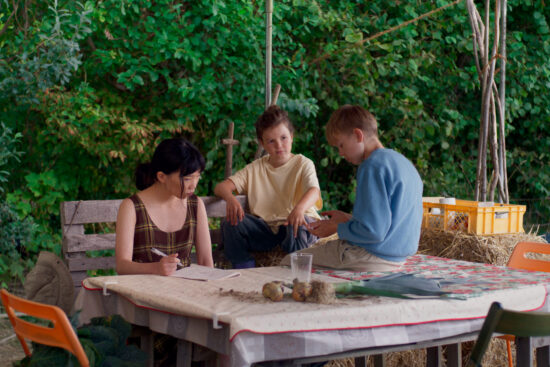
The young Taiwanese woman Kai visits an alternative farming project in rural Germany. When vegetable soup is served, she discovers a swastika embossed on her spoon. Nobody at the table knows where the spoon came from — or what to do with it now.
It's an ordinary day at a racing stable nestled in the mountains, two hours from Bangkok. Humans and animals repeat their daily tasks. As the routine unfolds, a portrait of bodies working under strict discipline takes shape: racehorses in the foreground, with jockeys as a counterpoint, the two mirroring each other.